
DyWorm
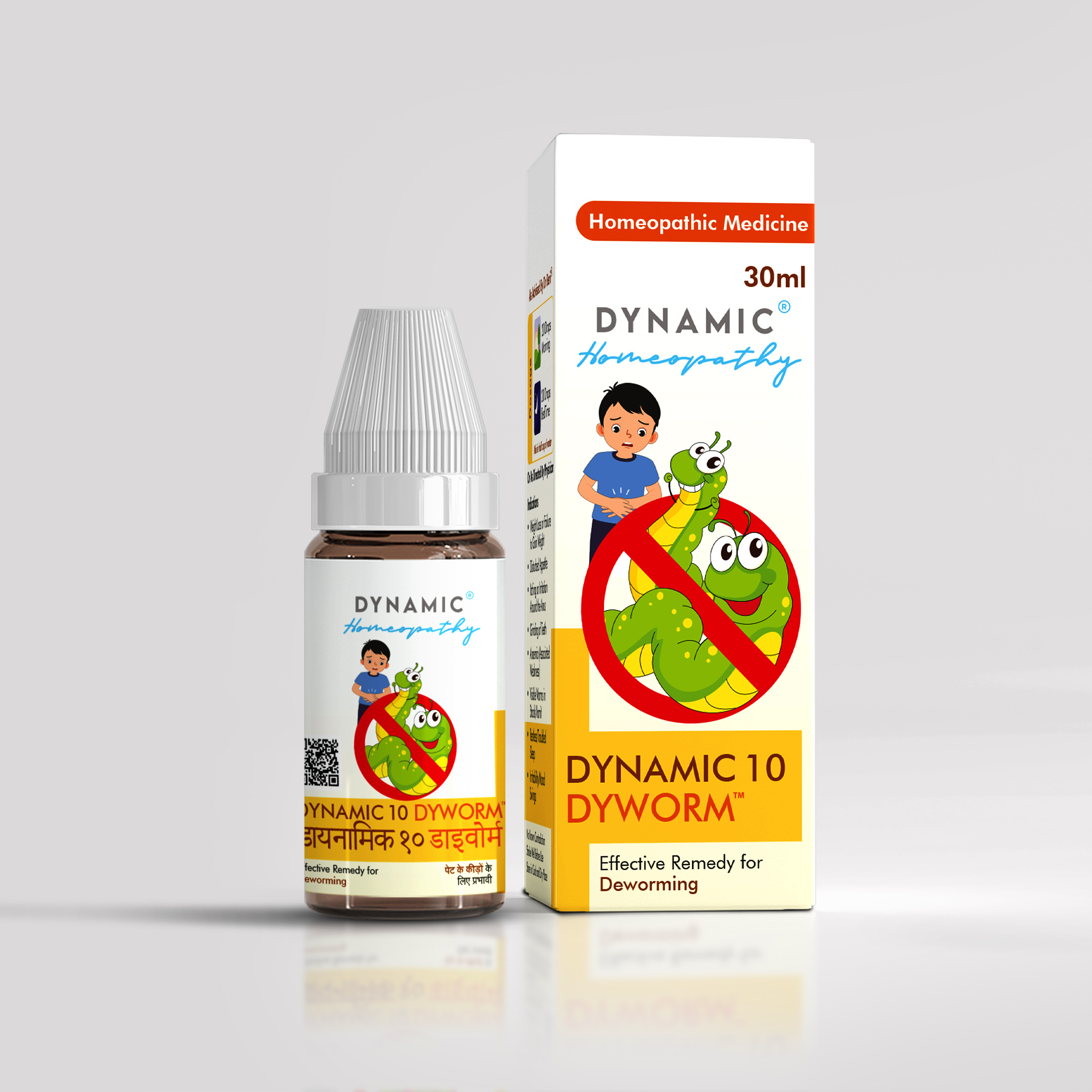
Dynamic 10 Dyworm is a homeopathic remedy designed for effective deworming. It helps address issues like weight loss or failure to gain weight, disturbed appetite, itching or irritation around the anus, grinding of teeth, anemia-related weakness, visible worms in stool or vomit, restlessness, disturbed sleep, and mood swings caused by parasitic infections.
Key Ingredients:
Cina, Santonium, Mercurius Dulcis, Granatum, Chenopodium Anth, Thymolum, Chelone Glabra, Kousso Brayera, Filix Mas, Cuprum Oxydatum Nigrum, Veronia Anth.
Benefits:
- Effective in removing intestinal worms.
- Supports recovery from anemia and related weakness.
- Relieves symptoms like irritation, restlessness, and disturbed sleep.
- Helps manage appetite and promotes better health.
Dosage:
Take 10-15 drops in water, twice daily, or as advised by your physician.
FAQs
DyWorm is a specially formulated homeopathic medicine designed to support effective deworming and promote digestive health. It helps relieve symptoms commonly associated with intestinal worm infestations, such as poor appetite, weight loss, itching around the anus, disturbed sleep, teeth grinding, and abdominal discomfort.
Intestinal worms are parasites that live in the digestive tract and may affect both children and adults. Common types include roundworms, pinworms, hookworms, and tapeworms. They can interfere with nutrition and overall health if left untreated.
Children with intestinal worm infestations may experience a variety of symptoms, although some may remain asymptomatic. Common signs that warrant medical evaluation include persistent itching or irritation around the anus, particularly at night, disturbed sleep with teeth grinding (bruxism), poor appetite, unexplained weight loss or inadequate weight gain, abdominal pain or bloating, restlessness, fatigue, and the occasional passage of worms in the stool. In some cases, recurrent gastrointestinal discomfort, irritability, or nutritional deficiencies may also be present. Since these symptoms can occur in many other conditions as well, an appropriate medical evaluation is important before starting any treatment.
DyWorm is formulated to support the management of symptoms associated with intestinal worm infestations & promote healthy digestion and overall well-being.
The appropriate method of deworming depends on the child’s age, symptoms, and the type of parasitic infection. Maintaining good hygiene, regular handwashing, safe food practices, and seeking timely medical advice are important parts of effective deworming.
Intestinal worm infestations can cause a range of symptoms, depending on the type of parasite and the severity of the infection. Common symptoms include itching around the anus, particularly at night, abdominal pain or discomfort, poor appetite, nausea or vomiting, unexplained weight loss or failure to gain weight, grinding of teeth during sleep, restlessness or irritability, and the presence of visible worms in the stool. Some children may also experience disturbed sleep, fatigue, or nutritional deficiencies. Since these symptoms are not specific to worm infestations and may occur in other medical conditions, a proper medical evaluation is recommended for an accurate diagnosis and appropriate treatment.
Yes. Intestinal worm infestations can occur in both children and adults. DyWorm is formulated to support individuals experiencing symptoms associated with parasitic worm infections. Consult your healthcare professional for appropriate guidance.
The risk of intestinal worm infestations can be significantly reduced by maintaining good personal & food hygiene. Regular handwashing with soap and water before meals and after using the toilet, keeping fingernails short and clean, thoroughly washing fruits and vegetables before consumption, drinking safe and clean water, and ensuring that food is properly cooked are important preventive measures. Encouraging children to practice good personal hygiene, wear footwear outdoors, and avoid putting unwashed hands or objects into their mouths can further help reduce the risk of acquiring worm infections.